
We are on a mission to inspire and empower people to value and preserve water.
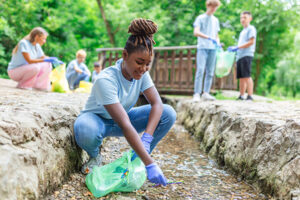 Fight plastic pollution with Adopt a River
This spring, we invite you to help clean up plastics and other litter around a lakeshore, riverbank or neighborhood street near you.
Check out our Adopt a River toolkit for resources and tips on how to organize a community cleanup. It's easier than you think, and it can make a big difference. Thanks for joining together and helping keep our waters clean!
 Join us for The Great Minnesota Icebreaker!
Join us May 13th at Back Channel Brewing for The Great Minnesota Icebreaker, celebrating ice-out season in the Land of 10,000 Lakes.
Learn about this winter's historic ice conditions as we host a panel discussion with Minnesota State Climatologist Luigi Romolo and MPR Meteorologist Sven Sungaard. Admission includes hors d'oeuvres and a complimentary tap beer!
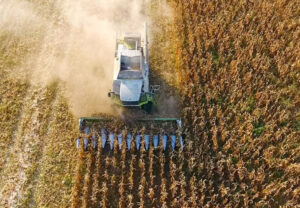 How a clean transportation fuel standard could impact water
With the delivery of its report to the Minnesota Legislature last month, the Clean Transportation Standard Work Group created a state policy framework for reducing carbon pollution from transportation fuels. Freshwater strongly supports carbon reduction initiatives and clean fuels. However, we want to watch for unintended negative consequences to the environment and communities.
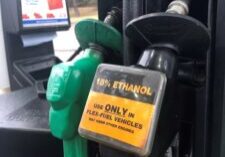
A clean transportation standard could either help or hurt water quality – depending on whether it further incentivizes corn ethanol production in rural Minnesota.
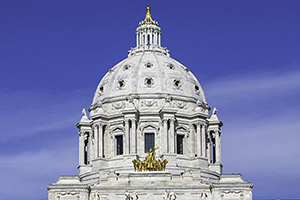
View Freshwater's priorities for the state legislative session
The 2024 Minnesota legislative session is underway. Visit our Policy page to learn about Freshwater's priorities for the session, including response to nitrate contamination of drinking water and bonding for public water infrastructure projects.
Our policy team continues to meet with legislators, partner organizations and state agency leaders – and we will keep a close eye on water-related bills as they move through the legislative process.
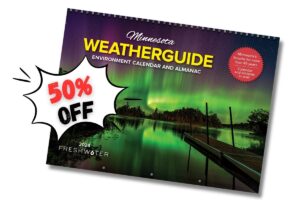
Get your 2024 Weatherguide wall calendar at half price!
The 2024 Minnesota Weatherguide Environment Calendar and Almanac is now half price!
Produced in partnership with KARE 11 and Minnesota Public Radio, the Weatherguide is your source for year-round weather and astronomical information, phenology, nature facts, stunning regional photography and much more. Plus, your purchase supports Freshwater's conservation, research, policy and education work.
Please note: Engagement calendars are SOLD OUT. Wall calendars are available while supplies last.
View our 2023 Impact Report
Take a look at some facts, figures and stories highlighting our work for water this past year in Freshwater's 2023 Impact Report. You'll also find a list of Freshwater donors, a recap of our program and fundraising efforts, and a financial summary of our latest fiscal year.
Thanks to the generous support of Freshwater members, donors and partners, we continue to make significant headway in our mission.
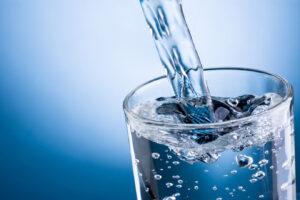
Freshwater helps develop state drinking water plan
The Minnesota Department of Health is currently developing a 10-year drinking water plan to better manage drinking water in Minnesota, and Freshwater is playing a key role in engaging water professionals and the broader statewide community.
As part of this work, Freshwater conducted focus group discussions and contributed to a report, Lessons from Drinking Water Professionals: An Assessment of Drinking Water Governance in Minnesota. These insights will help guide future policies and programs designed to protect drinking water in the state.
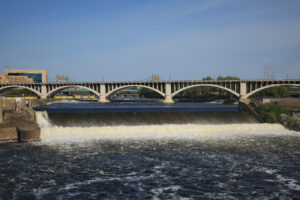
St. Anthony cutoff wall study underway to assess structure beneath Mississippi River
Freshwater is working with the University of Minnesota on a 2-year study of the St. Anthony Falls cutoff wall, which was originally constructed in 1876 on the Mississippi River in downtown Minneapolis.
The project is divided into four activities: Uncovering the history of the cutoff wall construction; field surveys of present-day condition of the cutoff wall; physical modeling failure scenarios at St. Anthony Falls; and risk assessment of civil, life-safety, and economic impacts.
To learn more about this unique infrastructure assessment, visit the project website.
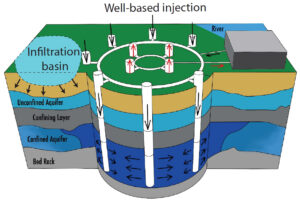
New study will map potential to recharge aquifers
With groundwater shortages becoming a concern in some areas of the state, researchers at the University of Minnesota and Freshwater will be poised to assist by deploying a first-of-its-kind GIS mapping tool that could help pave the way for managed aquifer recharge in Minnesota.
Also known as water banking, managed aquifer recharge usually involves injecting water into the ground through wells, or constructing infiltration basins, to essentially “bank” water underground for later use.
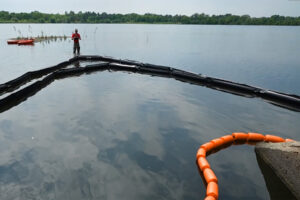
Watch: Video on Lake Hiawatha trash boom capture system
Freshwater teamed up with River Network, Friends of Lake Hiawatha, Osprey Initiative, the City of Minneapolis, and the Minneapolis Park and Recreation Board to install a litter capture device designed to help clean up Lake Hiawatha. As trash enters the lake through a storm drain outfall, it is captured by a series of floating booms where it can be collected, sorted and analyzed. This collaborative project will help to raise community awareness around clean water and to protect the diverse ecosystem of this beloved lake. Learn more in this video produced by Quasimodo Advertising.
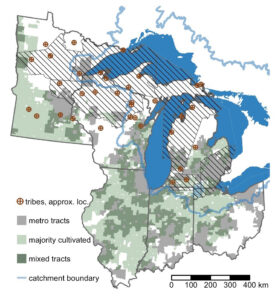 Freshwater continues groundwater governance work
Freshwater has begun a second phase of work to build capacity for groundwater governance in the Great Lakes region funded by the Joyce Foundation. The team will be following recommendations summarized in the report, Groundwater Governance, Well Cobbled?, which assessed the technical, legal and structural capacity of the six Great Lakes states and 35 federally recognized tribes in EPA Region 5.
The initial Phase 1 study showed that groundwater governance in the Great Lakes Region is in different stages of development and in need of better alignment to thoughtfully and sustainably manage aquifers and groundwater-surface water connections. In addition, there is an important need to amplify tribal government perspectives and advance indigenous leadership in groundwater governance.
Freshwater leads Great Lakes Protection Fund project in Minnesota and Michigan watersheds
 Freshwater has been awarded $1.5 million from the Great Lakes Protection Fund for a 5-year effort to improve water quality in the Maumee, St. Louis and Saginaw River watersheds. The project team will use cause marketing to raise funds for permanently converting marginal cropland to perennial vegetation, thereby enhancing carbon storage and curbing nutrient runoff.
Working with local land trusts and watershed modeling experts, the team will identify croplands that would provide the greatest water quality benefits. This approach will be used to carefully select parcels, helping the land trusts build capacity and expertise in the process.
Adopt a River
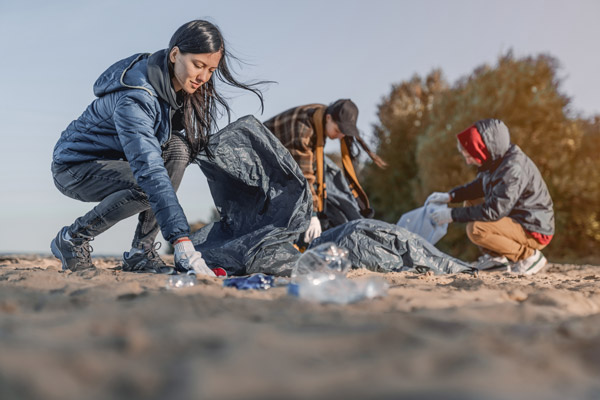
We want to support you in your efforts to keep Minnesota waters clean and healthy for all. Check out Adopt a River for resources and tips on organizing a volunteer shoreline cleanup!


Explore our new page for members
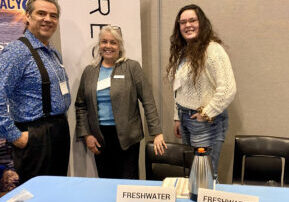
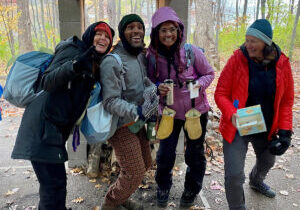
Members, this is your one-stop shop for Freshwater news and happenings! Click through and check it out.

Purchase your Weatherguide Environment Calendar and Almanac at a retailer near you!
Beautify your instagram feed
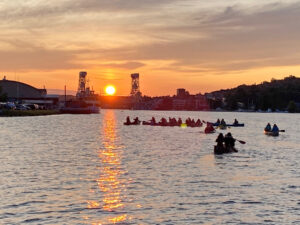
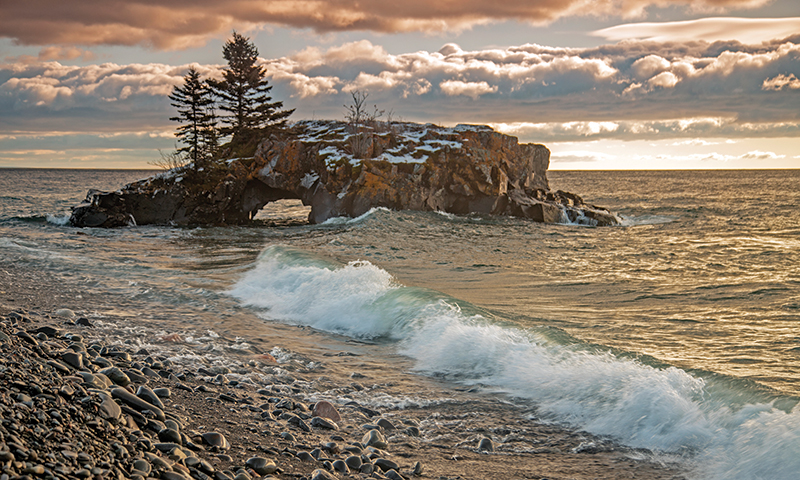
Be sure to follow Freshwater on Instagram for water news and some fantastic photos! Photo credit for this image: Jon Wood
Learn about water

Donate
Community members like you are instrumental to protecting the lakes, streams and drinking water we value. Invest in the future of freshwater resources with a charitable gift today. Your support makes a meaningful difference for clean and safe water for Minnesotans—and communities downstream.